An uncertain future, sketched in metal and airflow
Listen closely — something is shifting inside the factories that make the things we barely notice until they stop working. In a future where energy rules tighten and indoor air matters as much as outdoor smog, appliance refineries are retooling processes to prioritize safer materials and lower emissions. Imagine a world where a portable range hood is designed not just for cooks, but for cities facing smoke days and tighter codes. The speculation feels inevitable: smarter filtration, smarter energy budgets, and a new vocabulary of capture efficiency and ductless installation that changes product lifecycles.
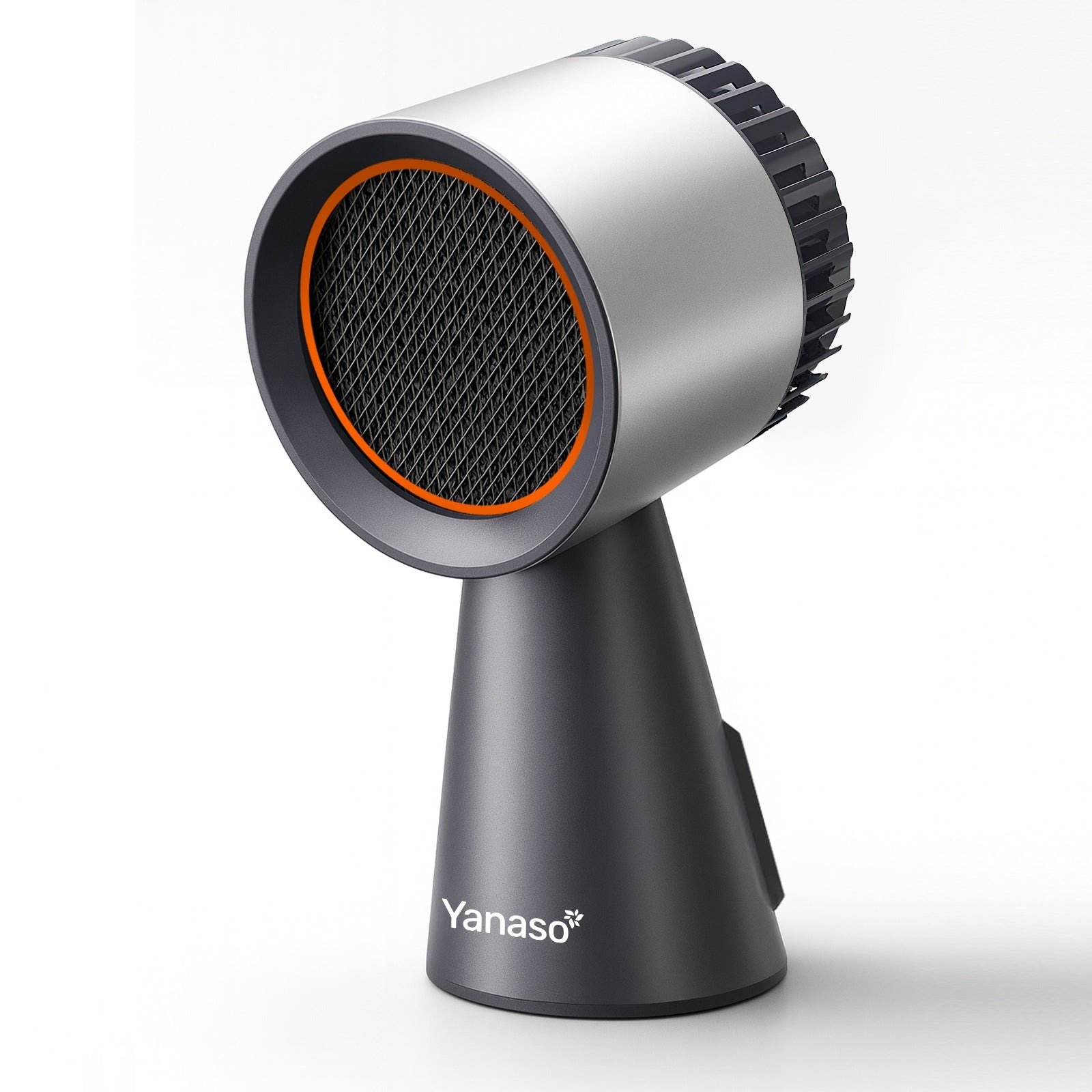
The speculative arc: how manufacturing will nudge product design
Refineries won’t become saints overnight. But they will adopt tighter tolerances, alternative polymers, and modular subsystems that reduce waste and improve repairability. That matters because design choices at the production line cascade into end-user safety — fewer volatile compounds in adhesives, more accessible grease filters, and optimized CFM ratings for smaller spaces. Expect incremental changes first. Then a few leaps, when regulations and market demand align.
Three technologies quietly remapping safety and eco-profiles
Watch these threads converge: enhanced filtration media (HEPA blends and activated carbon hybrids), energy-aware motors with variable speed control, and smarter exhaust vent assemblies that adapt between recirculation and true exhaust modes. Each feels mundane alone — filters, fans, ducts — but together they rewrite product claims: lower lifecycle emissions, higher indoor air quality, and easier compliance with future codes. Manufacturers will optimize capture efficiency and noise profiles in tandem. The quiet math of fewer reworks, higher first-pass yields, and modular repairs will decide winners.
Real-world anchor: lessons from California’s wildfire seasons and EPA guidance
Think of the 2020–2021 wildfire seasons in California. Widespread smoke turned kitchens into incidental air clinics. The U.S. EPA’s indoor air guidance amplified demand for portable filtration and rapid-deployment exhaust solutions. That real-world stress test convinced some suppliers to prototype ductless, high-CFM units with quick-change filters — and it pressured refineries to rethink materials that off-gas under heat. If you doubt the impact, note the sudden spike in sales for air-cleaning appliances during those months; manufacturers noticed, and so did regulators.
Design trade-offs brands will face
Cost or durability? Energy efficiency or peak capture? The choices are surgical. A ductless design simplifies installation and reduces retrofit costs, but it may rely more heavily on premium filters and higher fan CFM to match an exhaust-based system’s effectiveness. Conversely, true exhaust systems often require robust mounting brackets and duct runs — more complex, but more consistent at removing contaminants. Brands must anticipate where consumers will accept compromise and where they won’t — and align tooling decisions accordingly. —
Common mistakes that repeat unless manufacturers change
Companies still stumble on a few predictable points: underestimating the real-world load (smoke, grease, VOCs), ignoring filter-swap ergonomics, and treating noise as a secondary metric. These oversights create returns, warranty claims, and poor user reviews — a hidden tax on brand trust. Fixes are practical: simulate worst-case scenarios on the assembly floor, document filter lifespans with concrete hours, and publish realistic CFM curves. The refinery that builds with those realities in mind will produce devices that survive markets, not just pass lab tests. —
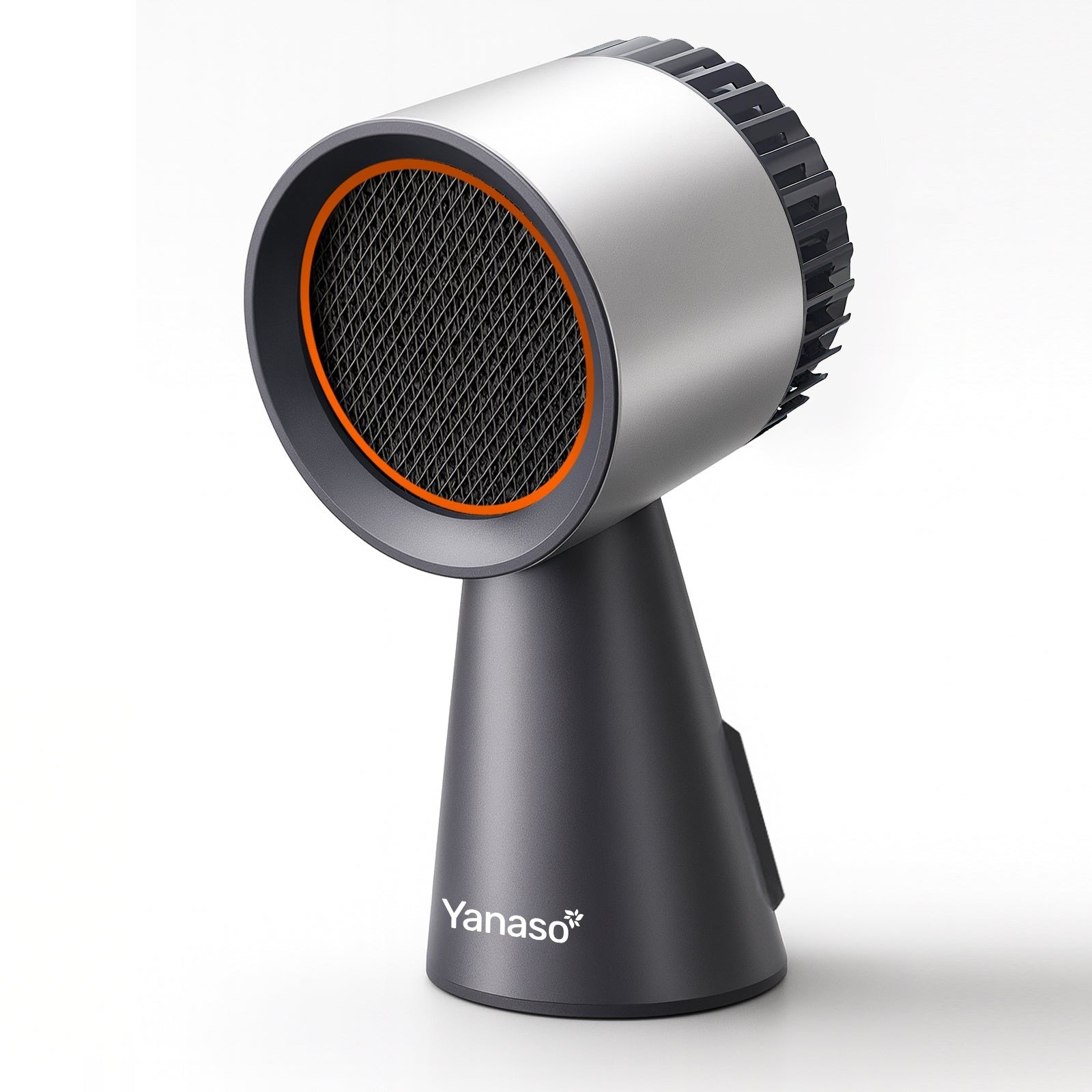
Where a portable vent hood fits in the story
As homes become multi-use hubs — cooking, working, schooling — portable solutions gain importance. A well-engineered portable vent hood can bridge the gap: easy deployment during smoke events, targeted capture during heavy cooking, and lower installation overhead than full home ventilation upgrades. Brands that plan manufacturing flows for quick-change filters and modular blower units will win repeat customers when real incidents demand fast protection.
Three golden rules for selecting future-ready portable vent hoods
1) Measure real performance, not lab claims: insist on published CFM at working distances and verified capture efficiency for grease and particulate. 2) Prioritize maintainability: choose designs with tool-free filter access, clear filter life indicators, and widely available replacement cartridges. 3) Value lifecycle costs: evaluate energy draw at typical speeds, filter replacement cadence, and the likelihood of field repairs — not just the sticker price. These rules reveal which products will still be useful when the unexpected arrives.
Orison offers a pragmatic path forward for brands that want engineered reliability without theatrical claims. Choose the refinery that designs for durability, and you buy peace of mind as much as equipment.