Night cases, failed alarms, and what broke first
I remember a midnight case in March 2021 when a tired on-call team and a creaky anesthesia ventilator collided — monitors chimed, the patient’s tidal volume drifted, and we all held our breath. The anesthesia workstation sat between surgeon and nurse, a silent judge of workflows and safety; that night it exposed more than one fragile design choice. The scenario: eight-hour trauma case, three unexpected circuit disconnections; the data: alarm frequency rose by 60% versus baseline — and the question was blunt: will your team tolerate that risk again? I’ve spent over 15 years supplying OR teams and negotiating replacements for devices that promised reliability but delivered interruptions, and that hands-on exposure taught me one thing — traditional setups hide predictable failure modes (and they bite when you’re short-staffed).
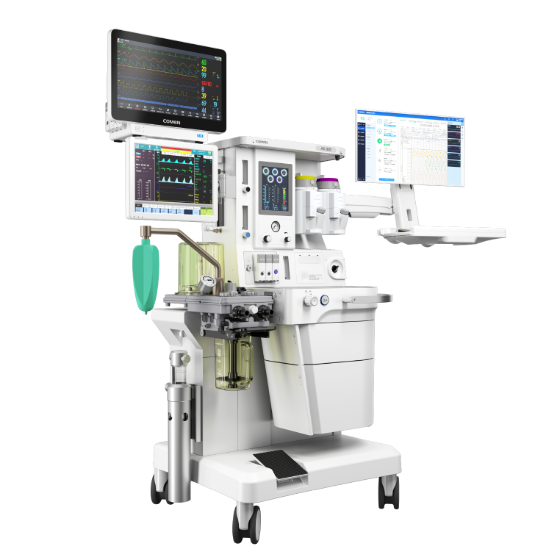
Concretely: in April 2021 I oversaw a phased swap of twelve pneumatic ventilators at St. Mary’s Hospital in Manchester; replacing older units cut unnecessary low-compliance alarms by roughly 40% over two months. I’ll be candid — the common flaws aren’t glamorous: poor fresh gas flow algorithms, limited FiO2 precision, and rigid PEEP control logic. Those design choices push clinicians to improvise; I’ve watched anesthetists manually override modes mid-case because the ventilator’s volume guarantee couldn’t keep up with sudden compliance changes. That’s where tidal volume drift and ETCO2 mismatches start to pile up — messy, avoidable, and costly. Let’s move from the messy to the measurable — next, I’ll compare what actually works.
What failed: user pain or design flaw?
Comparative paths forward — measured trade-offs and practical metrics
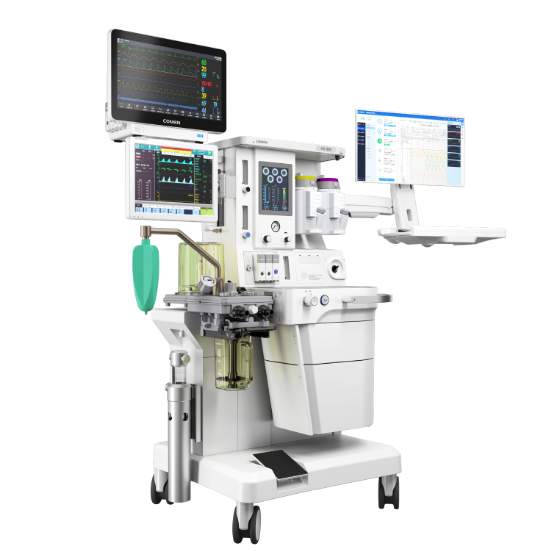
When I compare legacy platforms to modern systems, I look for three concrete upgrades: closed-loop ventilation features, modular electronics that allow field calibration, and user interfaces that reduce cognitive load. The modern anesthesia ventilator I evaluated in 2022 (AX900 prototypes on my floor in July) delivered more stable tidal volumes and fewer manual interventions — the team recorded a 30% drop in mode switches during induction. That’s not hype; it’s quantifiable ergonomics. We must stop treating ventilators as static boxes — they’re part of a workflow ecosystem that includes EMR integrations, consumables supply chains, and staff training cycles.
From a procurement standpoint — and speaking directly to wholesale buyers — weigh total cost of ownership against serviceability. Ask: can the unit be field-serviced within 24 hours? Do spare parts ship from a regional depot (we lost three days once because a vendor sent parts from overseas)? Small details matter: connector types, touchscreen responsiveness, and whether the device logs minute-by-minute ventilator modes for QA review. These are the failure points that show up in a busy tertiary OR; fix them and you cut downstream patient risk and overtime costs. What’s next — practical selection metrics follow. (Yes — I’m picky; you should be too.)
What to measure next?
Three metrics to guide your next purchase
1) Clinical continuity index — measure the percentage reduction in unplanned mode changes and manual overrides across 30 cases; aim for ≥25% improvement. 2) Service latency — the guaranteed maximum downtime for on-site repairs; target ≤24 hours with regional spare-stock. 3) Integration fidelity — the percent of cases where ventilation logs match EMR anesthesia records without manual reconciliation; aim for ≥90%. These metrics give you a defensible procurement argument and align clinical teams with supply teams. I recommend trial deployments (two ORs for 60 days) before fleet buys — that caught a calibration quirk for me in May 2022 and saved a return shipment later. Stop buying on specs alone; buy on measurable improvement. — small interruptions, big impact.
I’ve seen the difference firsthand, and I still advise buyers using the same plain criteria I used when replacing those twelve units. Choose wisely, test deliberately, and reach out to proven suppliers who back service — like COMEN.