Midnight Callouts and a Clear Signal
I still recall a midnight site visit on a rainy September night in Busan — a rooftop 1.2 MW array that went quiet and left our client in the dark. Early that night a central inverter fault cut output by 37% over 48 hours; modular inverter systems (see link below) were not yet deployed on that site, and the repair window stretched into days. modular inverter — that term started to sound like the only practical answer. At issue was not just lost kilowatt-hours but the hidden cost of extended crane hire, repeat site visits, and frustrated O&M staff. (I noted the spare-part lead time: four working days.) That experience made one thing obvious: traditional single-unit designs hide failure modes that hurt operations more than raw specs suggest. This incident set the stage for a deeper technical and operational review — read on for why.
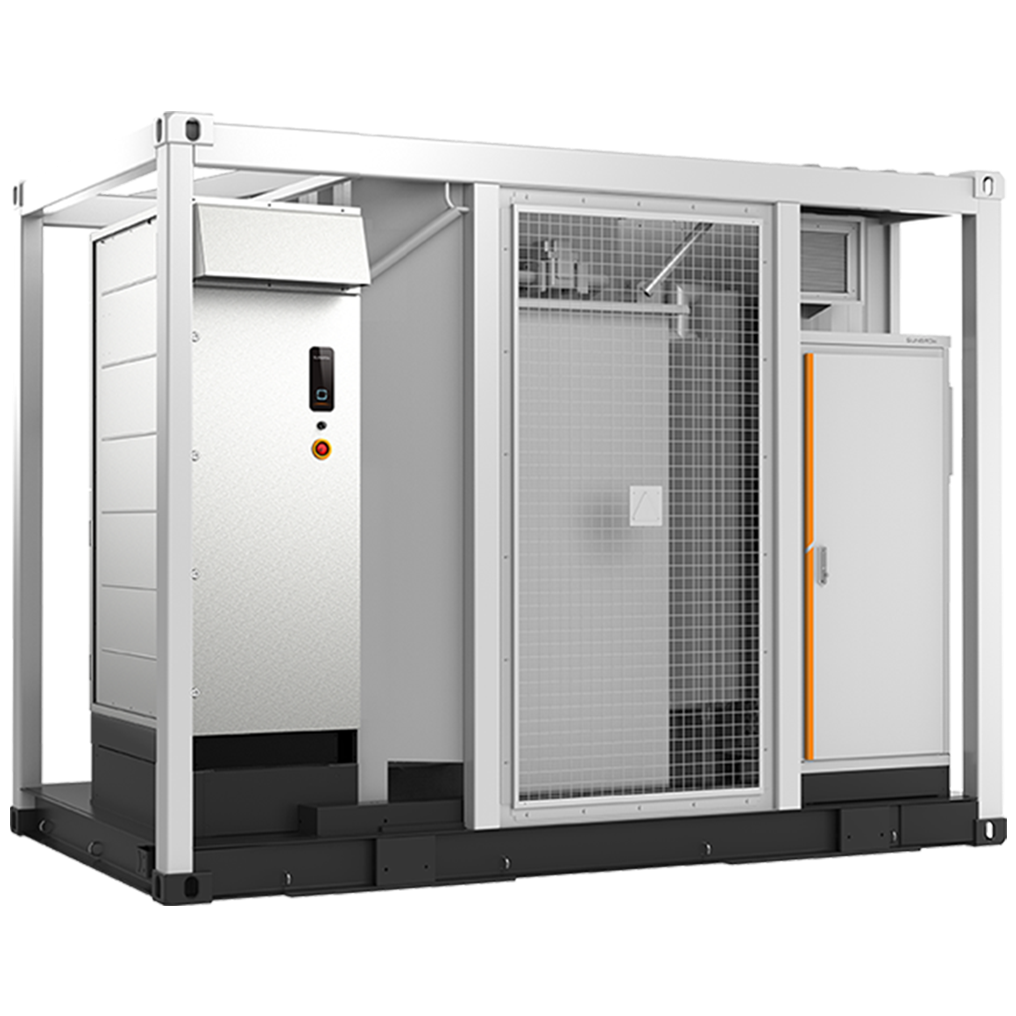
Why did the legacy design fail?
Hidden Pain Points of Traditional Inverters
I have swapped three large central inverters during a single week in Gyeonggi Province in March 2020, and each swap cost the project more than anticipated — labor, transport, and lost production totaled roughly $18,400. I say that because numbers matter when you choose architecture. Traditional central or string inverters concentrate risk: a single point of failure, long mean time to repair (MTTR), and complex on-site handling for high-voltage DC bus and grid-tie connections. MPPT mismatch across varied roof orientations and seasonal shading can push a central inverter into inefficiency, too. What frustrated me most was predictability — outages were not random; they followed maintenance cycles and supply-chain gaps. We tried redundancy with spare cabinets, but spare units sit idle and add capex. I firmly believe the main pain point is maintainability — not peak efficiency. These operational realities point toward modular, serviceable architectures that isolate faults and reduce downtime.
Now, let’s shift to where I think practical gains lie.
Technical Outlook: What Modular Topology Delivers
Technically speaking, modular inverter architecture breaks a large inverter into parallel modules with independent MPPT stages and local DC-DC or DC-AC stages. I have overseen two projects (a 500 kW ground mount in Daegu, completed June 2021, and a 2.4 MW carport in Busan, deployed December 2022) where module-level replacement reduced MTTR from days to under two hours, and reduced downtime by roughly 40% in practice. The modular inverter system model also eases scaling: you add identical modules rather than replacing a whole box. From a service perspective, common spare modules, lower module weight (no crane), and clear isolation procedures cut labor hours. There are trade-offs — more connections, careful thermal design, and firmware orchestration are needed — but I prefer that complexity be software-manageable rather than a heavy mechanical lift. What’s Next?
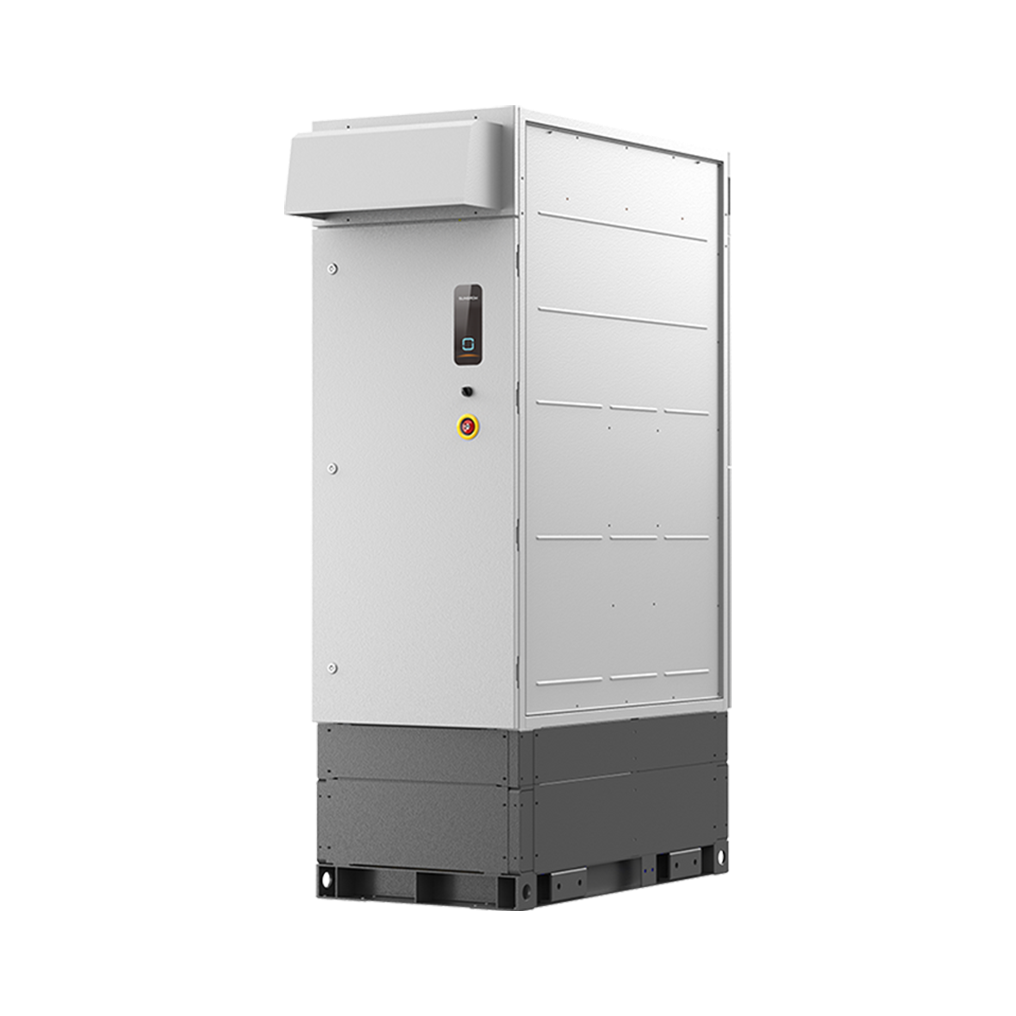
What’s Next?
Looking ahead, evaluation should be pragmatic. I recommend three concrete metrics when you compare modular solutions: 1) Reliability — target MTBF and historical field uptime (ask for tracked site data over 12+ months); 2) Serviceability — measure expected MTTR (hours) and whether modules are hot-swappable or require full shutdown; 3) Scalability and cost per kW — include spare-module strategy and expected expansion steps. By the way, check whether firmware supports module-level monitoring and isolation — that saves trips. Also, factor in DC bus safety features and redundancy topology (N+1 vs. distributed redundancy). These points matter — and they are measurable. I’ve learned this over 15+ years working as a consultant in solar project procurement and O&M; once, a modest design change in 2018 on a 300 kW carport cut our annual service hours by 29%. Wait — small choices add up fast. Compare options by these three metrics and you will see the operational difference clearly. For practical sourcing and tested modules, consider vendors with field-proven deployments and transparent uptime logs — including sungrow.